
When students pick up a paintbrush and start filling in numbered sections, something fascinating happens inside their brains. Multiple neural pathways light up at once, creating a symphony of mental activity that few other activities can match. The visual cortex processes the numbers and boundaries, the motor cortex guides precise hand movements, and the prefrontal cortex manages the planning and sequencing of tasks. This simultaneous activation strengthens neural connections in ways that passive learning simply cannot achieve.
The beauty of platforms like https://www.davincified.com lies in how they leverage this science. By providing clear structure through numbered guidance, these kits eliminate the anxiety of a blank canvas while preserving the creative satisfaction of making art. Students don't waste mental energy wondering what to paint next or second-guessing color choices. Instead, they channel their focus entirely into the meditative act of careful application, which research shows can dramatically reduce decision fatigue and improve sustained attention.
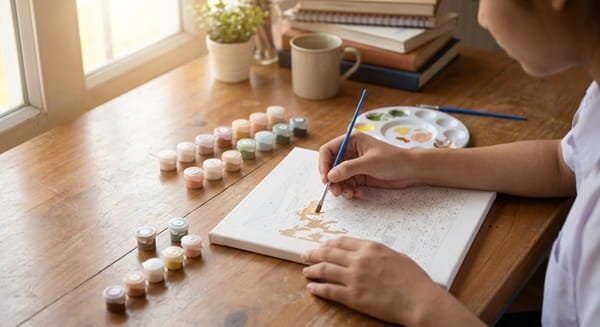
Here's what happens developmentally:
The systematic nature of numbered painting creates what neuroscientists call a "flow state", where challenge perfectly balances ability. Students experience deep focus without frustration, building their capacity for sustained concentration. This isn't just relaxing entertainment. It's genuine cognitive training disguised as enjoyable artistic expression, making it an invaluable tool for developing the mental stamina that academic success requires.
Your brain works like a muscle, and paint by numbers serves as a surprisingly effective workout for the mental skills you need in academic settings. When you follow those numbered sequences on canvas, you're actively strengthening your working memory - the same cognitive function that helps you remember lecture points or follow multi-step math problems. Each time you locate a number, match it to the correct color, and apply paint within boundaries, you're practicing procedural learning, which is exactly how your brain masters complex study tasks through repetition.
The real magic happens when you enter what psychologists call a flow state during painting. This is when you become so absorbed in the activity that distractions fade away and time seems to disappear. Here's a practical approach: Set a timer for 25-minute painting sessions followed by 5-minute breaks. This Pomodoro-style approach trains your brain to maintain deep concentration while preventing mental fatigue - skills directly transferable to studying.
Paint by numbers also develops powerful pattern recognition abilities that extend far beyond the canvas:
Consider making paint by numbers part of your daily learning routine by painting for 15-20 minutes before study sessions. This primes your brain's pattern recognition centers and improves visual processing, which enhances memory retention when you transition to reading or note-taking.
Perhaps most valuable is the goal-oriented thinking you develop by completing one small section at a time. Each finished area provides a sense of accomplishment, teaching your brain to break large projects into manageable chunks - the same strategy that makes overwhelming assignments feel achievable.
When students face mounting academic pressure, their stress hormones can spike to levels that actually interfere with learning. Paint by numbers offers a scientifically-backed counterbalance to this cycle. Research indicates that engaging in structured creative activities for just 20-30 minutes can measurably reduce cortisol production, the body's primary stress hormone. This biochemical shift doesn't just feel good - it directly impacts how well students absorb and retain new information.
The repetitive, focused nature of filling numbered sections creates what psychologists call a "flow state," which shares remarkable similarities with meditation. Unlike scrolling through devices or passive entertainment, this tactile engagement requires just enough concentration to quiet anxious thoughts without overwhelming an already-taxed mind. Students dealing with exam pressure often report that regular painting sessions help them approach their studies with renewed clarity.
Consider these documented benefits for academic success:
Multiple educational studies have tracked students who maintain consistent creative practices alongside their coursework. The correlation is striking - these students typically demonstrate higher GPAs and improved test scores compared to peers without artistic outlets. Platforms like Davincified cooperate with real artists to create original designs and to support artists, ensuring that even structured painting experiences offer genuine creative value.
The key lies in viewing art-making as essential maintenance for the brain, not frivolous distraction. Just as athletes schedule recovery days, students need activities that restore their cognitive resources.
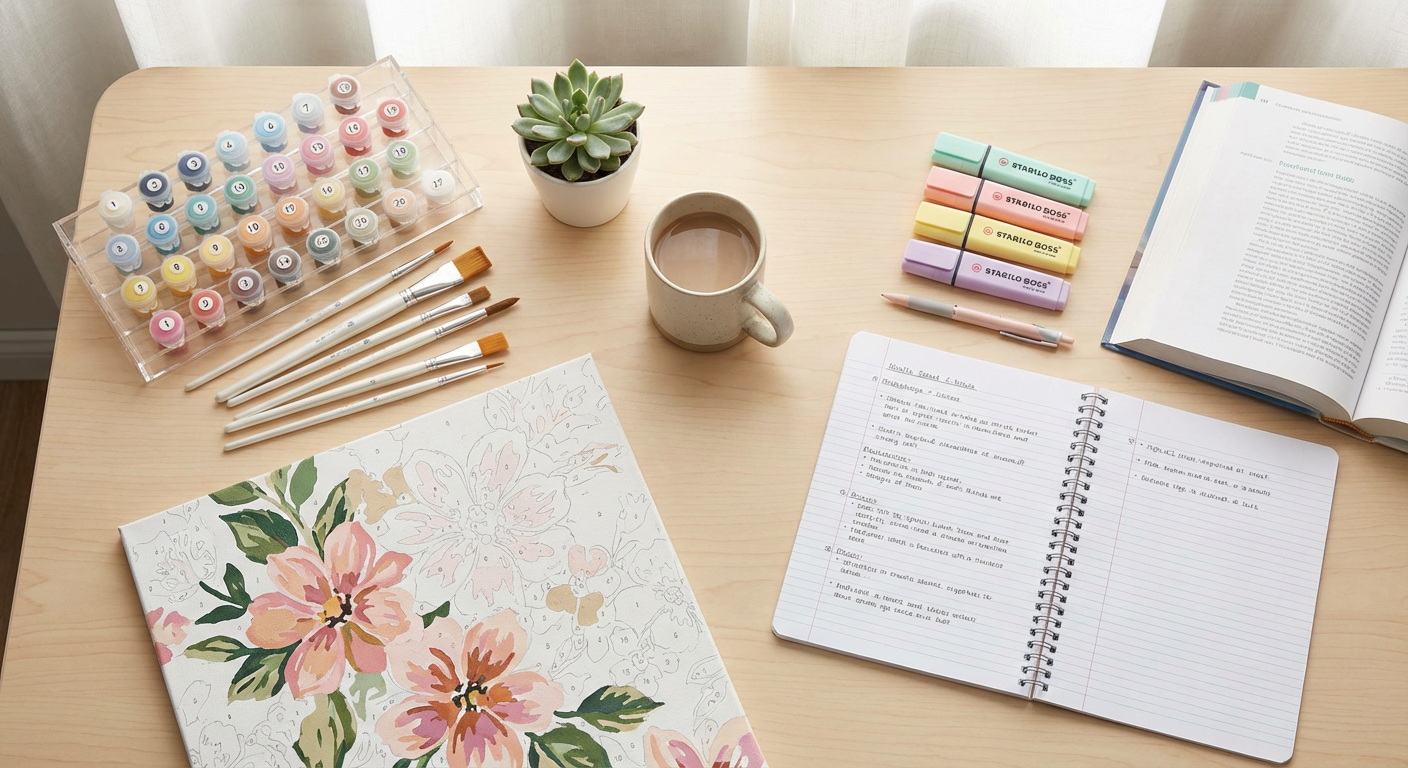
Making paint by numbers work alongside your studies requires thoughtful planning rather than random squeezing into your schedule. The key is treating your painting sessions as intentional cognitive breaks that enhance rather than interrupt your learning flow.
Timing matters significantly for maximizing benefits. Many students find painting for 15-20 minutes before diving into challenging subjects helps activate their visual-spatial thinking and settles pre-study anxiety. During marathon study sessions, painting during your natural attention dips (typically mid-afternoon) can restore focus far better than scrolling through social media. After exams or intense projects, longer painting sessions help process academic stress and signal to your brain that it's time to recover.
Start by matching your painting complexity to your current workload. During finals week, simpler designs with larger sections work better because they require less decision-making while still providing stress relief. When your schedule is lighter, you can tackle more intricate patterns that demand deeper concentration. Consider Davincified's smart sectioning algorithm for cleaner, more accurate results that reduce frustration when you're already mentally taxed.
Creating your dedicated creative corner doesn't require elaborate setup. A small desk area separate from your main study space works perfectly. This physical boundary helps your brain shift modes between analytical studying and creative painting. Keep your supplies organized and ready so you're not wasting mental energy on setup when you need a quick break.
Track your results through simple metrics. Note in a journal how your focus feels during study sessions after painting. Compare exam performance or assignment quality during weeks when you painted regularly versus those when you skipped it. Choose landscape or nature scenes for promoting calm before bedtime study sessions, while geometric or architectural designs often energize morning work periods.